
Key Takeaways
1. Dementia is a general term for conditions that affect memory, thinking, communication, and a person's ability to manage everyday activities.
2. Non-medical home care can provide assistance with activities of daily living such as bathing, dressing, grooming, eating, and toileting.
3. Companion care can provide reassurance, social interaction, and meaningful activities based on the person's interests and abilities.
4. Caregivers can support everyday safety through familiar routines, appropriate supervision, mobility assistance when needed, and medication reminders.
5. Consistent routines and familiar activities can provide structure while still allowing flexibility as a person's needs and abilities change.
5. Personalized home care can give family caregivers additional support while helping their loved one maintain comfort, dignity, and as much independence as possible at home.
Home Care for Dementia Patients
Caring for a loved one with dementia can be one of the most challenging experiences. Whether you’re new to caregiving or seeking additional support for a family member, it’s important to know what options are available and how non-medical home care can make a significant difference.
This guide will walk you through how home care for dementia patients can support quality of life while providing family caregivers with additional help. At Evelyn Wells, we are dedicated to offering personalized non-medical home care services that promote independence, dignity, and comfort in the familiar surroundings of home.
What Is Dementia and How Can Home Care Help?
Dementia is not a single disease but a general term used to describe a decline in memory, thinking, language, judgment, or other cognitive abilities severe enough to interfere with everyday life. Alzheimer’s disease is the most common form of dementia, but other types include vascular dementia, Lewy body dementia, and frontotemporal dementia.
As dementia progresses, individuals may have increasing difficulty with everyday tasks, communication, memory, judgment, and other aspects of daily life. The experience varies depending on the person and type of dementia.
While there is currently no cure for most progressive forms of dementia, including Alzheimer’s disease, treatment and appropriate support can help manage symptoms and everyday needs.
Non-medical home care services can provide valuable support by assisting with daily activities, companionship, familiar routines, and everyday safety while allowing the person to do as much as they comfortably and safely can for themselves.
Key Areas Where Non-Medical Home Care Services Can Help People With Dementia
1. Assistance With Activities of Daily Living (ADLs)
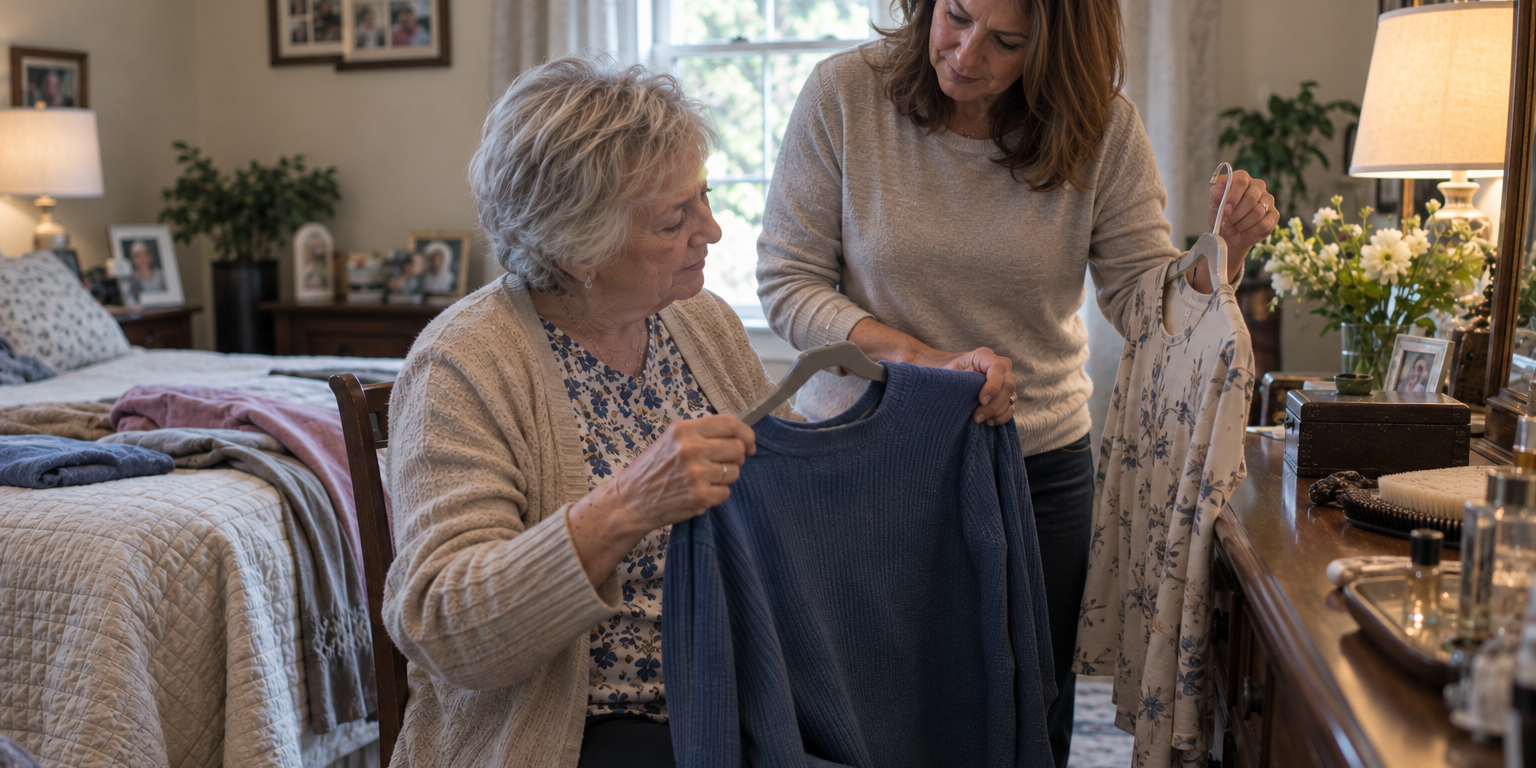
One of the main roles of non-medical home care is providing assistance with everyday activities that may become more difficult as dementia progresses. These can include:
- Bathing and grooming: Providing respectful assistance with personal hygiene when needed.
- Dressing and undressing: Helping individuals select appropriate clothing and providing assistance with dressing while encouraging independence where possible.
- Eating and meal preparation: Preparing meals, supporting familiar mealtime routines, and providing appropriate assistance during meals.
- Toileting and incontinence care: Providing discreet assistance for individuals who need help using the restroom or managing incontinence.
The National Institute on Aging recommends balancing necessary assistance with allowing a person living with dementia to remain as independent as possible.
2. Companionship and Emotional Support
Changes associated with dementia can sometimes make it more difficult for a person to remain socially connected and engaged.
Companion care provides opportunities for conversation, familiar activities, and meaningful interaction. Caregivers can provide:
- Reassurance and companionship: Providing a calm, familiar presence and supportive interaction.
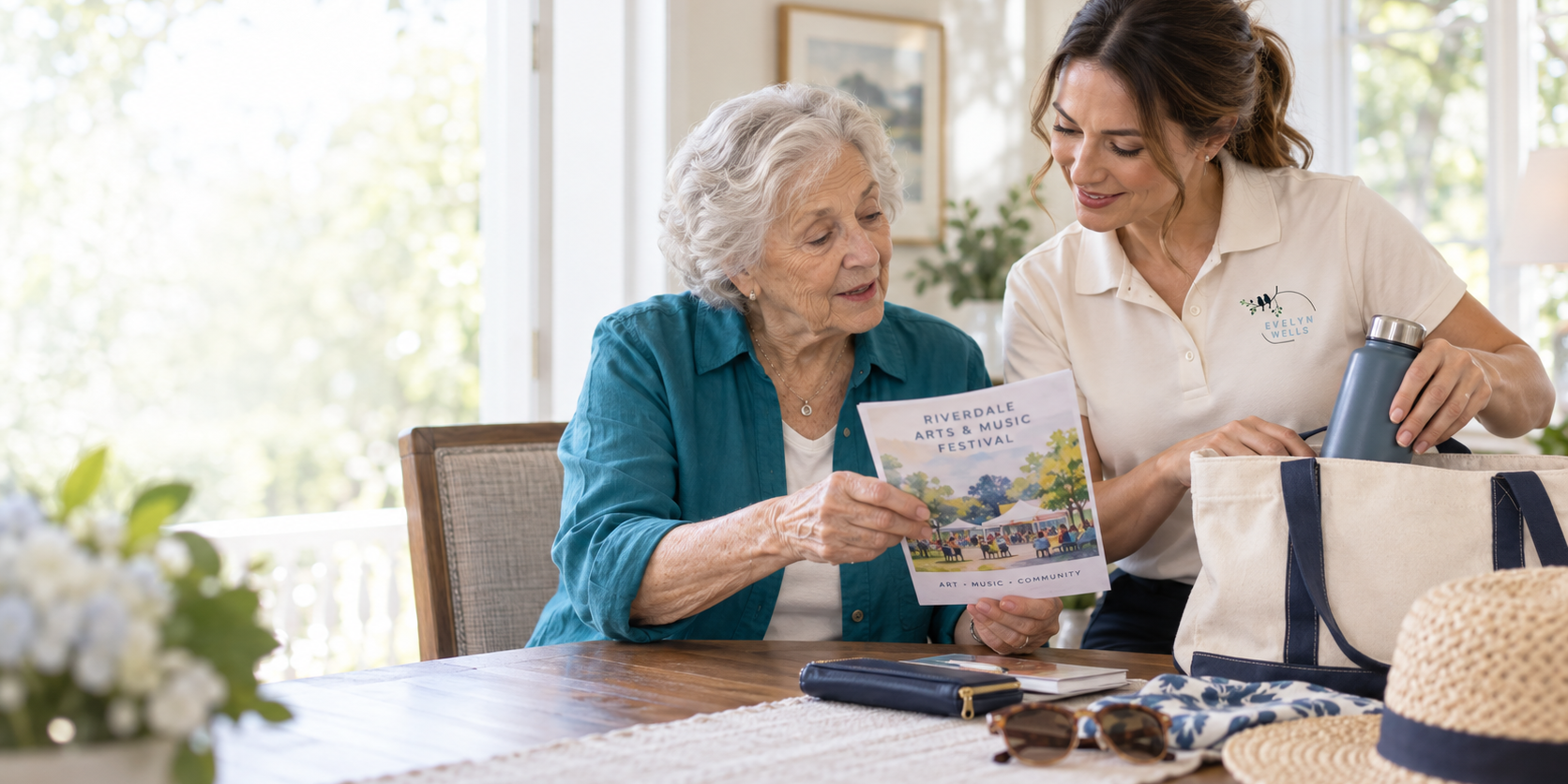
- Meaningful activities: Activities such as puzzles, listening to music, looking through photographs, walking, gardening, or other hobbies adapted to the person’s interests and abilities.
- Social interaction: Providing regular opportunities for conversation and connection.
Meaningful activities should focus on what the person enjoys and can comfortably do rather than on testing or correcting their memory. The Alzheimer’s Association recommends adapting activities to a person’s current abilities while continuing activities they have traditionally enjoyed.
For families who feel overwhelmed or exhausted from caregiving, having a trusted companion provide additional support can also offer valuable relief.
3. Safety and Support at Home
Changes in memory, judgment, orientation, and, for some people, mobility can create new safety concerns as dementia progresses.
Non-medical caregivers can provide support by:
- Responding to wandering or disorientation: A caregiver can provide reassurance, maintain familiar routines, and redirect the person when appropriate. No strategy can completely prevent wandering, so families should also have a safety plan for situations in which their loved one becomes lost or disoriented.
- Providing mobility assistance when needed: For individuals who need help with everyday movement, caregivers can provide appropriate assistance within their scope of service.
- Providing medication reminders: Non-medical caregivers may provide reminders according to an established medication schedule. Medication administration, dosage decisions, or changes to a medication regimen should be handled by appropriately authorized healthcare professionals or other qualified individuals.
Families should also regularly assess the home itself for changing safety needs. Depending on the individual, this might include addressing trip hazards, improving lighting, making bathrooms safer, or reducing access to potentially dangerous household items.
The goal is to provide appropriate support while helping the person remain as comfortable and independent as possible in familiar surroundings.
4. Structured Routines and Meaningful Activities
Familiar routines can provide predictability and make everyday life easier to navigate for someone living with dementia.
Non-medical caregivers can help by:
- Supporting daily routines: Maintaining familiar times and patterns for meals, personal care, activities, and other parts of the day where appropriate.
- Encouraging meaningful activities: Looking through family photographs, listening to familiar music, completing puzzles, gardening, walking, light household activities, or enjoying hobbies suited to the person’s interests and current abilities.
The Alzheimer’s Association notes that daily routines can be helpful for both the person living with dementia and their caregiver, while also emphasizing the importance of flexibility as abilities and preferences change.
Routine and structure can also help family caregivers organize the day and create more opportunities for meaningful interaction.
At Evelyn Wells, we work with families to understand each person’s routines, preferences, and needs so that care can be personalized around the individual.
Why Choose Evelyn Wells for Dementia Home Care?
At Evelyn Wells, we are committed to helping seniors live more independently and comfortably at home.
Our non-medical home care services can provide assistance with activities of daily living, companionship, meal preparation, familiar routines, mobility assistance, medication reminders, respite care, and other everyday needs depending on the individual’s care plan.
We understand that dementia affects every person differently. That’s why care should reflect the individual’s abilities, preferences, routines, personality, and changing needs rather than treating dementia as a one-size-fits-all experience.
If you’re searching for home care services in Indianapolis, Fishers, Carmel, or surrounding communities.

Click the link to explore what care may look like for your loved one, come with questions to a free consultation with our team.
Non Medical Disclaimer
The information provided in this article is for educational purposes only and is not intended as a substitute for professional medical advice, diagnosis, or treatment. Always seek the advice of your physician or other qualified health provider with any questions you may have regarding a medical condition. Never disregard professional medical advice or delay in seeking it because of something you have read in this article.
Related Posts
Home Care Resources for Stroke Recovery: A Guide to Local and National Support for Stroke Survivors
Find trusted stroke recovery resources in Indiana and beyond, including rehabilitation guidance, caregiver support, meal assistance, Medicaid and VA programs, and practical help for everyday life at…
7 Signs It’s Time for Professional Memory Care: A Detailed Guide
Is it aging or something more? When early onset dementia symptoms or safety issues at home begin to outweigh your ability to provide care, it may be time for professional intervention. This guide…
Home Care for Patients with Traumatic Brain Injury
TBI homecare isn’t about fixing the patient; it’s about making the home a quiet, safe space where the brain can rest and heal. For someone with a brain injury, normal things like a humming fridge,…