
Key Takeaways
1. Follow your loved one's healthcare team's recommendations for fluids rather than restricting or increasing fluid intake on your own.
2. Kidney-friendly diets should be individualized because sodium, potassium, phosphorus, protein, and fluid needs can vary based on kidney function and treatment.
3. Help your loved one maintain medication routines, but leave medication changes and medical decisions to their healthcare professionals.
4. Encourage appropriate physical activity and independence based on your loved one's abilities and healthcare recommendations.
5. Pay attention to changes your loved one's healthcare team has asked you to watch for and report concerns when appropriate.
6. Emotional support and companionship are important parts of living with a chronic condition.
7. Don't hesitate to ask family, healthcare professionals, or non-medical home care providers for additional support when caregiving becomes difficult.
Introduction
Caring for a loved one with kidney disease requires careful attention to both their physical and emotional well-being. Depending on the stage of kidney disease, their needs may change over time, from adjustments to meals and daily routines to additional help with mobility, appointments, and activities at home.
As a family caregiver, you don’t have to manage kidney disease on your own. Your loved one’s healthcare team should guide medical treatment, medications, nutrition, and other clinical decisions, while family members and non-medical caregivers can provide valuable support with everyday life.
Here are seven practical tips to help you care for a loved one with kidney disease while supporting their comfort, independence, and dignity.
1. Follow Their Healthcare Team's Guidance on Fluids

Fluid needs can vary significantly from one person with kidney disease to another.
Some people with chronic kidney disease may need to limit how much fluid they consume because damaged kidneys may have difficulty removing excess fluid. Others may not require the same restrictions. NIDDK recommends working with a healthcare professional or dietitian to determine the appropriate amount of fluid based on the person’s kidney function and individual needs.
As a caregiver, you can help by:
- Following the fluid recommendations provided by your loved one’s healthcare team.
- Helping keep track of fluid intake if their healthcare professional has specifically asked you to do so.
- Avoiding changes to their fluid intake without medical guidance.
- Paying attention to changes their healthcare team has asked you to monitor.
For example, NIDDK recommends contacting a healthcare professional if swelling develops in areas such as the face, arms, legs, or abdomen.
You generally don’t need to measure urine output unless your loved one’s healthcare professional has specifically instructed you to do so.
2. Help Follow a Kidney-Friendly Meal Plan
Nutrition is an important part of managing kidney disease, but there is no single kidney-friendly diet that works for everyone.
A person’s nutritional needs may change as kidney disease progresses. Depending on their kidney function, blood test results, medications, and whether they receive dialysis, their healthcare professional or registered dietitian may recommend adjustments to sodium, potassium, phosphorus, protein, or fluids.
As a caregiver, you can help by:
- Preparing meals according to the plan recommended by their healthcare team.
- Keeping recommended foods available at home.
- Reading food labels when appropriate.
- Helping reduce excess sodium if this is part of their plan.
- Working with a registered dietitian when more individualized guidance is needed.
Avoid automatically eliminating foods high in potassium or phosphorus unless their healthcare professional or dietitian recommends it. Potassium needs, for example, depend partly on blood potassium levels, while protein needs can differ considerably between someone with earlier-stage CKD and someone receiving dialysis.
If your loved one receives help with meal preparation from a non-medical caregiver, their established dietary plan can help guide what meals are prepared.

3. Support Medication Routines Safely
People with kidney disease may take medications for kidney disease itself or related conditions such as diabetes or high blood pressure.
Family caregivers can help make medication routines easier by:
- Keeping an up-to-date medication list.
- Setting reminders for scheduled medications.
- Helping your loved one remember appointments or prescription refills.
- Bringing an updated medication and supplement list to healthcare appointments.
- Encouraging them to speak with their healthcare provider or pharmacist before taking new over-the-counter medications or supplements.
Medication safety is especially important for people with kidney disease. NIDDK warns that some over-the-counter medicines, including NSAIDs such as ibuprofen and naproxen, can harm the kidneys in certain circumstances. Patients should discuss their medications, vitamins, and supplements with their healthcare professionals.
If you notice a concerning change after a medication is taken, contact the appropriate healthcare professional rather than attempting to determine or treat the reaction yourself.
For non-medical home care, medication support should remain within the caregiver’s permitted scope, such as providing reminders according to an established schedule rather than prescribing, changing, or independently managing medications.
4. Encourage Appropriate Exercise and Mobility
Physical activity can support overall health and independence for many people living with chronic kidney disease.
NIDDK includes regular physical activity among the steps people can take to manage CKD. Someone who is not currently active should speak with their healthcare provider about the type and amount of activity appropriate for them.
Depending on your loved one’s abilities and healthcare recommendations, you can:
- Encourage appropriate activities such as walking or gentle movement.
- Join them for activities they enjoy.
- Offer mobility assistance when needed.
- Help make commonly used areas of the home easier to navigate.
- Encourage them to do what they can independently rather than automatically taking over every task.
The goal isn’t simply to “keep them active.” It’s to support activity in a way that respects their current abilities, safety, preferences, and independence.

5. Know What Changes to Report
Kidney disease can change over time, so staying connected with your loved one’s healthcare team is important.
Rather than trying to diagnose complications yourself, learn which changes your loved one’s healthcare professionals want you to watch for.
Depending on the person’s condition, their healthcare team may ask you to pay attention to changes such as swelling, urination, energy levels, appetite, or other symptoms specific to their situation.
You can support them by:
- Helping keep scheduled medical appointments.
- Writing down questions before appointments.
- Keeping track of relevant changes when their healthcare team has asked you to do so.
- Communicating new or worsening concerns to the appropriate healthcare professional.
- Following the care instructions provided after appointments.
NIDDK recommends working with the healthcare team to monitor kidney health and following the treatment plan developed for the individual.
The goal isn’t to “prevent hospital readmissions” yourself. It’s to stay observant, follow professional guidance, and make sure important changes aren’t ignored.

6. Provide Emotional Support and Companionship
Living with kidney disease can affect more than physical health. Medical appointments, dietary changes, treatment decisions, and changes in independence can also be emotionally challenging.
Simple, consistent support can make a meaningful difference.
You can:
- Offer reassurance and listen without judgment.
- Spend quality time doing hobbies or activities your loved one enjoys.
- Include them in decisions about their daily routine whenever possible.
- Provide companionship during appointments or treatments when appropriate.
- Help them maintain relationships and activities that matter to them.
NIDDK includes finding healthy ways to cope with stress and depression among its recommendations for managing chronic kidney disease.
Companionship doesn’t need to revolve around kidney disease. Sometimes sharing a meal, watching a favorite show, going outside, talking, or simply spending time together can help everyday life feel more normal.

7. Know When to Ask for Help
Caring for someone with a chronic condition can become demanding, especially when you’re balancing caregiving with work, family, and your own responsibilities.
You don’t have to handle every part of care yourself.
Different types of support can help with different needs:
Healthcare professionals can address symptoms, medications, kidney function, dialysis, and other medical concerns.
Registered dietitians can help develop an individualized meal plan based on kidney function, lab results, treatment, and nutritional needs. NIDDK specifically recommends working with a dietitian knowledgeable about kidney disease when possible.
Family and friends may be able to help with appointments, errands, meals, companionship, or giving the primary caregiver a break.
Non-medical home care can provide additional help with everyday activities such as personal care, meal preparation according to an established dietary plan, mobility assistance, companionship, transportation, light housekeeping, and respite care.

Learn how non-medical home care can provide practical support at home while working alongside the care and guidance provided by their healthcare professionals.
Click the link to explore our article on Personal Care Services for Patients with Kidney Disease
Asking for additional support doesn’t mean giving up your role as a family caregiver. It can help make caregiving more sustainable while allowing your loved one to continue receiving support at home.
Non Medical Disclaimer
The information provided in this article is for educational purposes only and is not intended as a substitute for professional medical advice, diagnosis, or treatment. Always seek the advice of your physician or other qualified health provider with any questions you may have regarding a medical condition. Never disregard professional medical advice or delay in seeking it because of something you have read in this article.
Related Posts
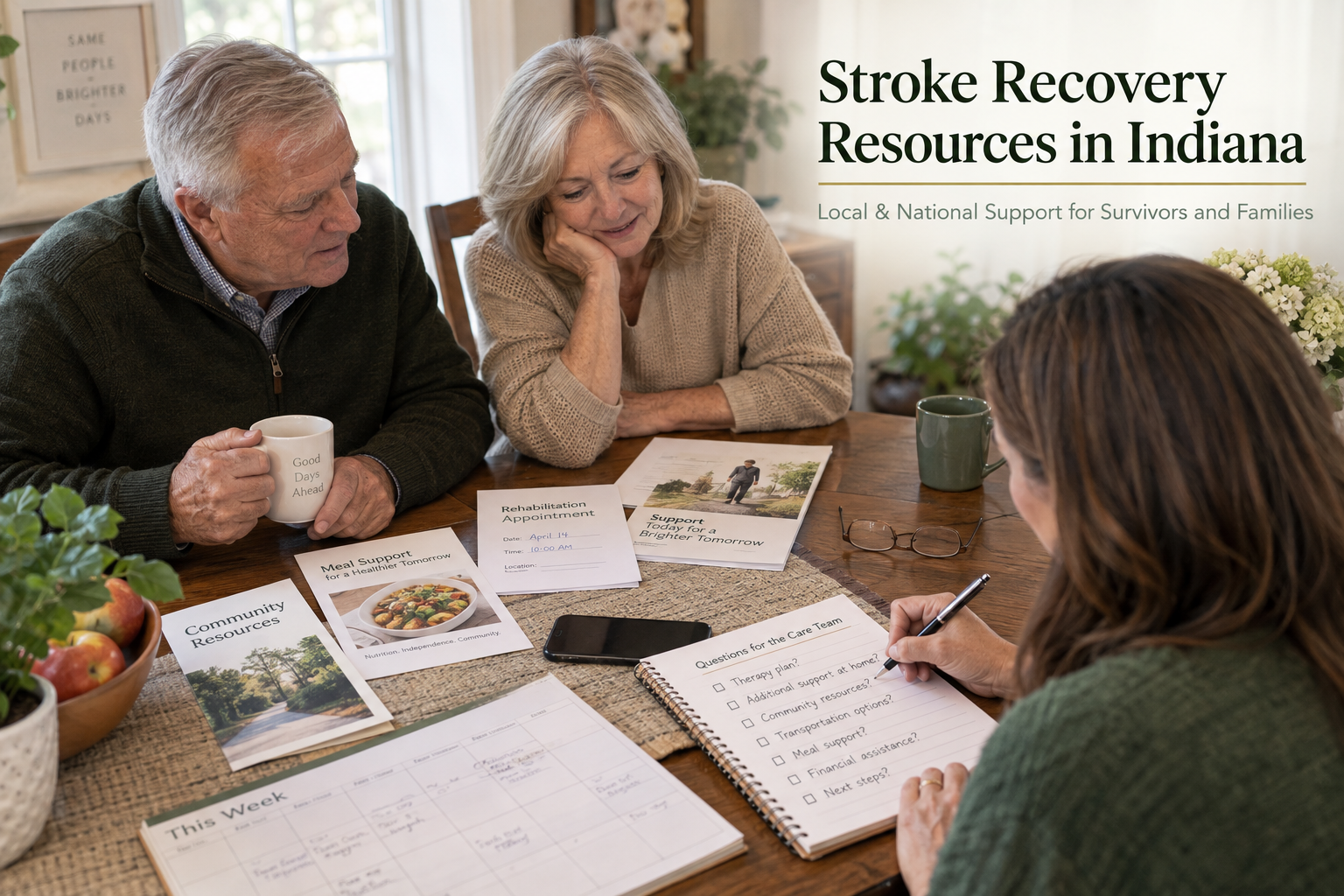
Home Care Resources for Stroke Recovery: A Guide to Local and National Support for Stroke Survivors
Find trusted stroke recovery resources in Indiana and beyond, including rehabilitation guidance, caregiver support, meal assistance, Medicaid and VA programs, and practical help for everyday life at…

Personal Care Services for Patients with Kidney Disease
Living with kidney disease often requires navigating a complex regimen of treatments, medications, diet restrictions, and lifestyle adjustments. For many patients, the day-to-day management can be…

Home Care for Patients with Vision Impairment: Personal Care, Safety, and Everyday Support
Living with vision impairment presents unique challenges that affect nearly every aspect of daily life — from moving safely around the home to maintaining personal hygiene, managing medications, and…