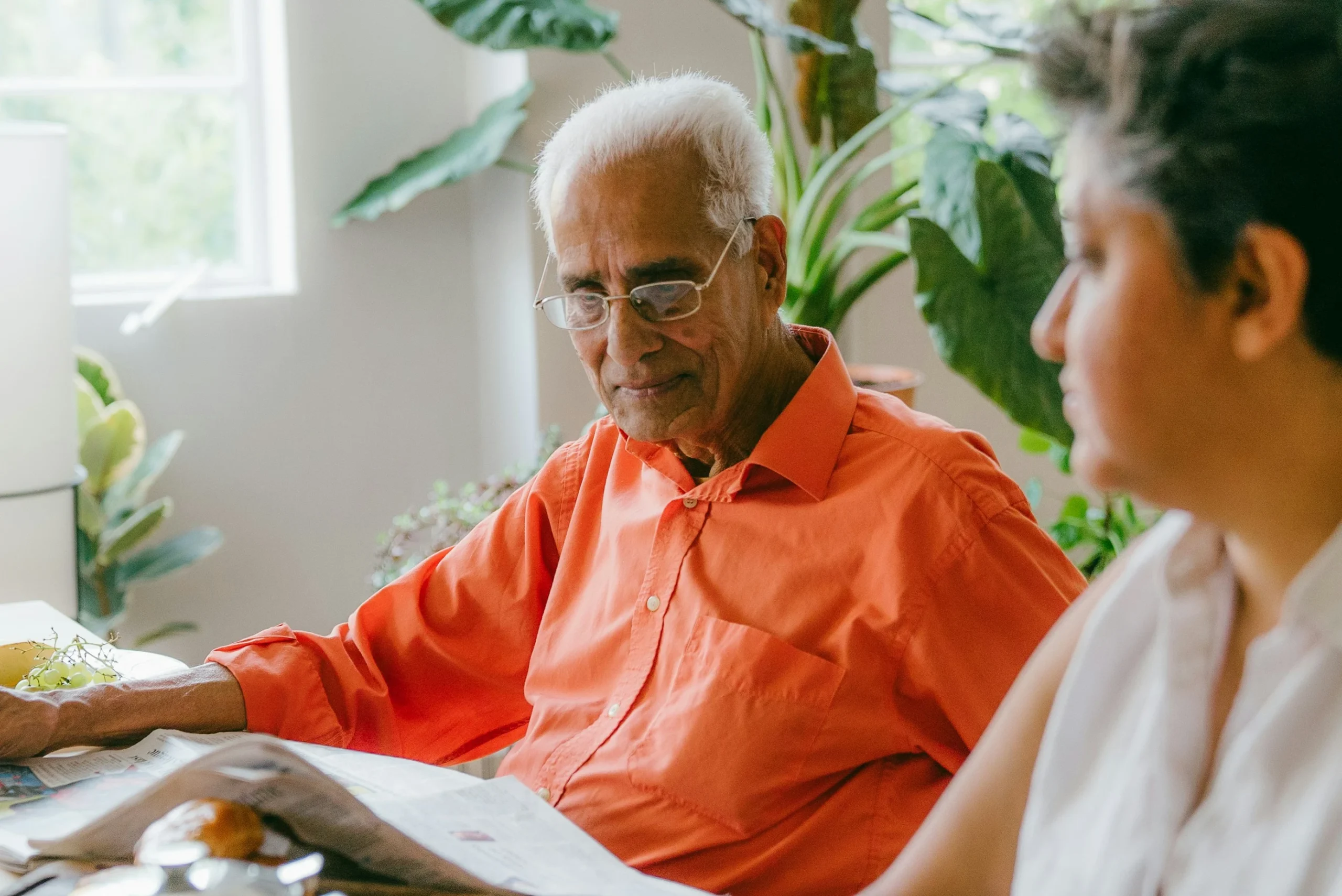
Watching a beloved senior struggle with mobility can be heartbreaking, can’t it? As their steps become less steady, or moving from room to room becomes a challenge, you might find yourself wondering: “How can we ensure they’re safe, comfortable, and still enjoy a good quality of life at home?” The good news is, home care for patients with mobility issues isn’t just about assistance; it’s about empowerment, safety, and creating an environment where every day can still be fulfilling.
We truly understand the unique hurdles that come with mobility challenges in seniors.
It’s more than just physical help; it’s about maintaining dignity, fostering independence where possible, and ensuring peace of mind for both the senior and their family.
Forget the generic advice – we’re going to share practical, compassionate strategies for managing day-to-day tasks and creating a supportive environment that you might not find anywhere else.
Understanding Mobility Challenges and Their Impact
When we talk about senior mobility issues, we’re often looking at conditions like arthritis, Parkinson’s disease, post-stroke recovery, general weakness, or balance disorders. These challenges can make simple things like getting out of bed, walking to the bathroom, or even reaching for a glass of water feel monumental. The goal of specialized home care isn’t to take away independence, but to provide the support that enables it safely.
Expert Tips for Managing Day-to-Day Tasks with Confidence
A great home care provider doesn’t just assist; they anticipate needs and implement strategies that make daily life smoother and safer.
1. Smart Movement Strategies: Making Every Step Safer
This is where a skilled home care aide truly shines.
- The Power of Proper Transfer Techniques: It’s not just about lifting. Professional caregivers are trained in safe transfer techniques – using gait belts, pivot transfers, or specialized equipment – to move seniors from bed to chair, or chair to toilet, with minimal strain on both the senior and the caregiver. This prevents falls and protects fragile skin. This isn’t something you learn from a quick online video – it requires professional training.
- Encouraging Gentle Movement: Immobility can lead to muscle weakness. A trained caregiver understands the importance of gentle exercise for seniors, encouraging small, safe movements throughout the day, whether it’s supervised walks with a walker, simple chair exercises, or reaching activities to maintain flexibility and strength. They know the line between encouragement and overexertion.
- Navigating Stairs & Thresholds: If stairs are unavoidable, caregivers can assist with stair navigation techniques using handrails. For smaller obstacles like rug edges or doorway thresholds, they’re trained to guide the senior safely, minimizing tripping hazards.
2. Personal Care with Dignity: Making Routine Tasks Accessible
Maintaining personal hygiene is crucial for well-being and dignity.
- Strategic Bathing & Dressing: This is where adaptive equipment for seniors comes into play. Caregivers are adept at using bath chairs, handheld showerheads, grab bars, and non-slip mats to make bathing safer and more comfortable. They also know how to assist with dressing in a way that minimizes movement, using techniques for putting on socks, trousers, or shirts while seated.
- Toileting Routines & Fall Prevention: Many falls happen during trips to the bathroom. Caregivers can help establish consistent toileting schedules and provide timely assistance, reducing the urgency that often leads to accidents. They’ll also ensure clear pathways to the bathroom, especially at night.
3. Meal Preparation & Nutrition: Fueling Mobility
Good nutrition is vital for energy and muscle strength.
- Accessible Hydration & Nourishment: Caregivers ensure meals are prepared and easily accessible. They understand the importance of proper hydration for elderly mobility, reminding seniors to drink water throughout the day. They can also help with cutting food into manageable pieces or opening containers.
- Preventing Malnutrition & Weakness: For seniors who struggle to get to the kitchen, a caregiver ensures they receive regular, nutritious meals, helping to prevent the muscle weakness that often exacerbates mobility issues.
Creating a Truly Supportive Home Environment: Beyond Simple Decluttering
While decluttering is important, creating a truly supportive environment goes deeper. It’s about proactive adjustments that foster independence and safety.
1. The “Flow” of the Home: Optimizing Space for Movement
- Strategic Furniture Arrangement: This isn’t just about moving a lamp. A great caregiver or care consultant can help identify how furniture creates obstacles. They’ll suggest arranging furniture to create wide, clear pathways for walkers or wheelchairs, ensuring there are always stable surfaces nearby to grab onto if needed.
- Smart Lighting Solutions: Poor lighting can hide hazards. Installing motion-sensor lights in hallways, bathrooms, and near the bed, along with adequate task lighting in frequently used areas, can significantly reduce the risk of falls, especially during nighttime trips.
- Eliminating Tripping Hazards: This means securing all loose rugs (or removing them entirely), ensuring electrical cords are taped down and out of pathways, and removing any clutter from floors.
2. Assistive Devices: Making the Right Tools Work for Them
- Personalized Equipment Recommendations: While you might think of walkers or wheelchairs, there’s a whole world of adaptive equipment. This includes bedside commodes, raised toilet seats, shower chairs, grab bars (professionally installed!), bed rails, and even specialized eating utensils. A knowledgeable home care provider can help assess which devices would genuinely benefit your loved one and teach them how to use them safely.
- Strategic Placement: It’s not enough to have the equipment; it needs to be easily accessible. A caregiver ensures walkers are always within reach of the bed or chair, and that frequently used items are stored at waist height to prevent bending or reaching.
3. Emergency Preparedness: Peace of Mind for Everyone
- Wearable Alert Devices: These are truly non-negotiable for anyone with mobility issues living at home. A medical alert system that can be activated with a push of a button (or detects a fall automatically) provides immediate help if a fall occurs and a caregiver isn’t present.
- Clear Emergency Contacts & Information: Ensure emergency contacts are clearly posted, and that the home care agency has all necessary medical information, medication lists, and physician contacts readily available.
Why Professional Home Care Makes All the Difference
While family can provide immense love and support, the specialized knowledge and physical assistance required for seniors with mobility issues often calls for professional expertise. A qualified home care agency provides:
- Trained Caregivers: They understand proper body mechanics for both the senior and themselves, reducing injury risk.
- Experience with Adaptive Tools: They know how to effectively use and recommend various mobility aids.
- Proactive Safety Assessments: They can identify potential hazards in the home that you might miss.
- Respite for Families: This specialized care gives family caregivers much-needed rest, preventing burnout.
Supporting a loved one with mobility issues is a journey of patience, adaptation, and unwavering love. By embracing the strategies above and partnering with a compassionate, expert home care provider, you’re not just offering assistance; you’re offering the gift of continued independence, safety, and a life lived with greater ease and confidence right in the comfort of their own home.
If you’re seeking guidance or require dedicated home care services for mobility challenges, please don’t hesitate to connect with us at [email protected]. We’re here to help you and your loved one move forward, confidently and safely.
Related Posts

7 Signs It’s Time for Professional Memory Care: A Detailed Guide
Is it aging or something more? When early onset dementia symptoms or safety issues at home begin to outweigh your ability to provide care, it may be time for professional intervention. This guide…

Home Care for Patients with Traumatic Brain Injury
TBI homecare isn’t about fixing the patient; it’s about making the home a quiet, safe space where the brain can rest and heal. For someone with a brain injury, normal things like a humming fridge,…