Home Care for Patients with Disabilities: Enhancing Independence and Quality of Life
Living with a disability can present daily challenges that affect mobility, communication, self-care, and independence. Home care for patients with disabilities provides personalized support to navigate these challenges safely while promoting dignity, confidence, and engagement in daily life.
Why Home Care Matters for Patients with Disabilities
Disabilities, whether physical, developmental, or neurological, often require specialized support to ensure safety and comfort. Home care provides:
-
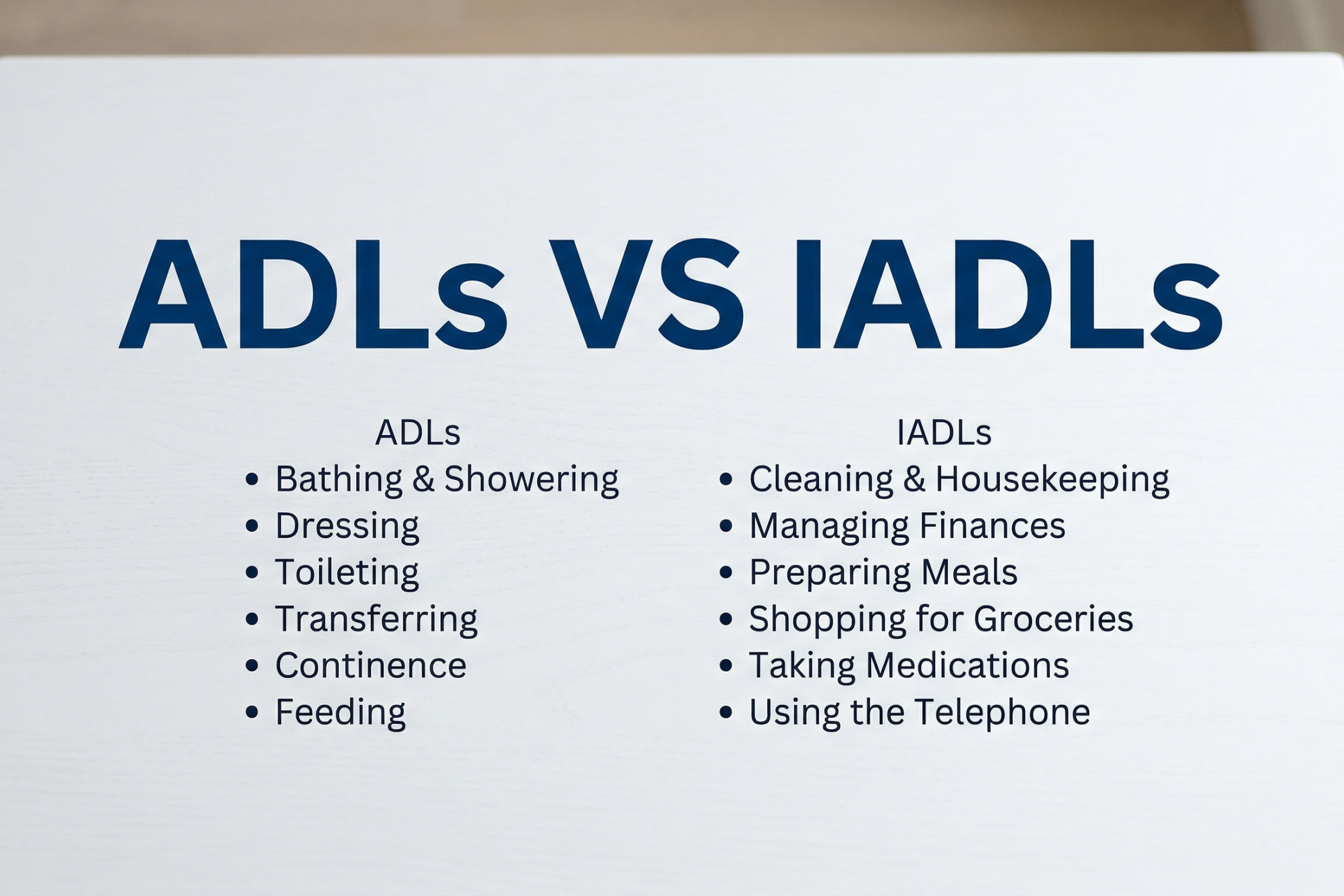
Assistance with Daily Living: Bathing, dressing, grooming, meal prep, and household tasks tailored to individual needs.
-
Mobility and Accessibility Support: Safe transfers, wheelchair assistance, and adaptive equipment guidance.
-
Medical and Therapy Support: Medication management, rehabilitation exercises, and coordination with healthcare providers.
-
Emotional and Social Support: Companionship, encouragement, and access to social or community activities.
Resource: Disability Rights Education & Defense Fund offers guidance for families supporting individuals with disabilities.
How Home Care Supports Daily Life
Scenario 1: Personalized Assistance
Caregivers adapt support to each patient’s specific disability, ensuring tasks are manageable while promoting independence.
Scenario 2: Mobility and Safety
Whether using a wheelchair, walker, or other assistive devices, caregivers ensure safe navigation and prevent falls.
Scenario 3: Therapy Reinforcement
Home caregivers help patients practice physical, occupational, or speech therapy exercises, reinforcing progress between professional appointments.
Scenario 4: Emotional and Social Engagement
Isolation can be a significant challenge. Caregivers encourage social participation, hobbies, and mental stimulation, supporting overall well-being.
Scenario 5: Coordination with Healthcare Teams
Professional caregivers communicate with doctors, therapists, and specialists to ensure continuity of care and adherence to treatment plans.
Choosing the Right Home Care Provider
-
Evaluate Needs: Determine whether skilled nursing, personal care, or companion care is required.
-
Look for Specialized Experience: Providers with experience in specific disabilities offer more effective and safer support.
-
Home Adaptations Expertise: Knowledge of ramps, grab bars, adaptive seating, and accessible layouts enhances independence.
-
Collaborative Communication: Caregivers should maintain regular updates with healthcare providers and family members.
-
Flexible Support: Options for part-time, full-time, or live-in care depending on the patient’s needs.
Benefits of Home Care for Patients with Disabilities
-
Enhanced Safety: Reduces risk of accidents and ensures proper use of mobility devices.
-
Increased Independence: Personalized support allows patients to remain at home while performing as many tasks as possible on their own.
-
Health Maintenance: Monitoring for medical complications and reinforcing therapy routines improves outcomes.
-
Emotional Well-Being: Companionship and encouragement reduce feelings of isolation and stress.
-
Family Peace of Mind: Families can trust that professional caregivers are providing consistent, compassionate care.
Final Thought
Disabilities don’t have to limit independence or quality of life. With dedicated home care, patients receive the support they need to live safely, confidently, and comfortably at home. Caregivers provide not only physical assistance but emotional encouragement, therapy reinforcement, and personalized guidance—empowering both patients and their families every step of the way.
Related Posts
ADLs vs IADLs in Brain Injury: A Non-Medical Guide for Families
When a loved one returns home after a brain injury, the biggest challenges are often the ones you can’t see. You might notice they can walk to the kitchen or get dressed without help, yet they still…
7 Signs It’s Time for Professional Memory Care: A Detailed Guide
Is it aging or something more? When early onset dementia symptoms or safety issues at home begin to outweigh your ability to provide care, it may be time for professional intervention. This guide…
Home Care for Patients with Traumatic Brain Injury
TBI homecare isn’t about fixing the patient; it’s about making the home a quiet, safe space where the brain can rest and heal. For someone with a brain injury, normal things like a humming fridge,…