
TL;DR - Key Takeaways
1. The “Neuro-Fatigue” Rule: If they are irritable, they aren’t “being difficult”, their brain is literally out of gas.
2. Anosognosia: Many survivors cannot see their own deficits. Stop arguing; start “collaborating” on tasks.
3. The Sensory Audit: TBI home care safety is about reducing noise, light, and “visual clutter.”
4. Financial Resources: Check out our How to Pay for Care section for
Introduction
If you just got home from the hospital and need TBI home care, you’ve likely realized that discharge papers aren’t a manual for the real world. In the hospital, everything was controlled and clinical. At home, the sound of a vacuum or the brightness of the kitchen lights can trigger a meltdown that feels like a total setback. Reclaiming your life after a brain injury isn’t about “fixing” what’s broken; it’s about building a home environment that doesn’t overtax a system running on a 5% battery. Here is how we bridge the gap between clinical rehab and real life.

A rehab assistant and TBI patient
What is Neuro-Fatigue in TBI Home Care?
The most misunderstood part of TBI home care is the “Brain Battery.” A brain trying to repair itself uses significantly more energy than a healthy one.
I. The “Fade”: You’ll notice their speech gets slurred, they lose balance, or they become suddenly, irrationally irritable. This isn’t a personality shift; it’s a physical signal that the brain is at 0%.
II. Cognitive Pacing: We treat “Brain Rest” like a medical appointment. We use a 20/40 rhythm: 20 minutes of activity (like a meal or a therapy session) followed by 40 minutes of “Dark Rest”; no screens, no music, and dim lighting. In Indy, we call this the “Race Day Rest.” You can’t win the long game without strategic pit stops.
How to Handle "Anosognosia" (The "I'm Fine" Problem)
Many TBI survivors have a condition called Anosognosia. This is a fancy word for a physical inability to see that they have an injury. If you tell them they need a caregiver, they will likely fight you because they truly believe they are fine.
I. The Name Change: We don’t call ourselves “caregivers.” To a survivor, that sounds like we’re treating them like a child. Instead, call us “Rehab Assistants” or “House Managers.”
II. The Strategy: Focus on the house first. We handle the laundry, the cooking, and the mail. Once the environment is calm, the survivor usually starts to trust us more.
III. The Script: “I hired Sarah as a Rehab Assistant to handle the house stuff so you can focus 100% on your recovery exercises.”
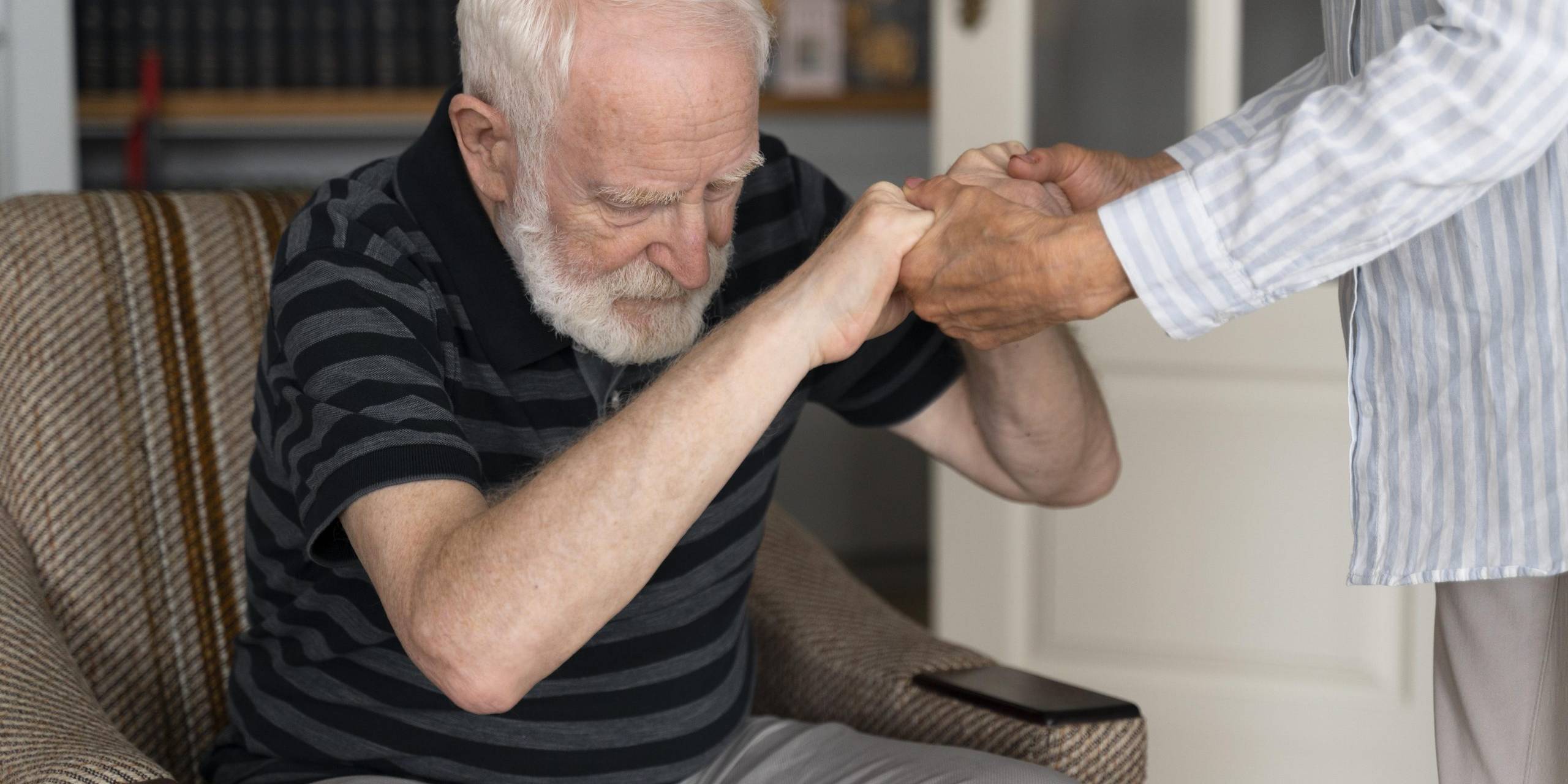
A rehab assistant assisting recent TBI patient in the home
The Sensory Audit: Making the Home a Sanctuary
Standard home safety is usually about grab bars. But for TBI home care, we have to look at the volume of the house.
I. Softening the Sound: Hard floors make sounds bounce, which can be painful for a healing brain. Use rugs and heavy curtains to soak up the noise.
II. Adjusting the Lights: Flickering or bright lights can trigger headaches. Use warm bulbs and dimmers. For more tips on sensory safety, see our guide on [In-Home Care for Patients with Hearing Impairment].
III. Clearing the Clutter: A messy counter feels like a loud noise to a TBI survivor. Keep surfaces clear so their brain doesn’t have to “work” just to look at the room.

A specialized rehab assistant performing a TBI Home Care sensory audit by adjusting lighting and acoustics.
Getting Support for the Whole Family
Navigating the costs of care in 2026 is a lot to handle. Whether it’s the Indiana TBI Waiver or federal tax credits for caregivers, you shouldn’t have to guess.
Also, please don’t ignore your own stress. If you feel like you’re drowning, you are likely facing Caregiver Burnout. Use the Zarit Burden Scale to check in on yourself. You can’t pour from an empty cup.
Have More Questions on TBI Home Care?
Moving from the hospital to home is the hardest part of the journey. You’re going from 24/7 nurses to being the person in charge. Whether you are in Carmel, Fishers, or Indy, we are here to help you build a roadmap that actually works. We’re always here to answer your “what now?” questions and hand hold you through the process. Click HERE to schedule a free call with us.
Non Medical Disclaimer
The information provided in this article is for educational purposes only and is not intended as a substitute for professional medical advice, diagnosis, or treatment. Always seek the advice of your physician or other qualified health provider with any questions you may have regarding a medical condition. Never disregard professional medical advice or delay in seeking it because of something you have read in this article.
Related Posts

7 Signs It’s Time for Professional Memory Care: A Detailed Guide
Is it aging or something more? When early onset dementia symptoms or safety issues at home begin to outweigh your ability to provide care, it may be time for professional intervention. This guide…