
Key Takeaways
1. Private pay home care means paying directly for non-medical home care services using personal financial resources rather than relying on insurance or government programs.
2. Families often choose private pay because it offers flexibility in choosing care schedules, services, and providers based on their loved one's needs.
3. Private pay home care can support seniors with daily activities such as bathing, dressing, meal preparation, companionship, mobility assistance, and household routines.
4. The cost of private pay home care varies depending on location, hours of care, services needed, and the provider selected. Planning ahead can help families create a sustainable care plan.
5. Medicare and insurance coverage may not cover ongoing non-medical support, making private pay an important option for many families seeking care at home.
6. Choosing home care is not only a financial decision; it is about helping your loved one maintain independence, dignity, and quality of life at home.
Introduction
When a loved one begins needing more help at home, one of the first questions many families ask is:
“How are we going to pay for this?”
It’s a practical question, but it often comes at an emotional moment. Maybe your parent is struggling with daily routines. Maybe you’ve noticed that caregiving responsibilities are starting to fall heavily on one family member. Or maybe you simply want to plan ahead before a small need becomes an urgent situation.
Understanding your options for paying for home care can make the process feel less overwhelming.
For many families, private pay home care is one of the most flexible ways to arrange support. Instead of waiting for insurance approvals or meeting the requirements of a specific program, families use their own financial resources to choose the type of care their loved one needs, when they need it.
At Evelyn Wells, we believe care planning should begin with understanding the person behind the need, not just the number of hours of care required. Every family has a different situation, which is why learning how private pay works can help you make a decision that feels right for your loved one.
What Is Private Pay for Home Care?
Private pay means paying directly for home care services using personal financial resources rather than relying on Medicare, Medicaid, or another insurance benefit.
For non-medical home care, private pay is one of the most common payment options because many services that help seniors remain safely and comfortably at home are not typically covered by traditional health insurance.
These services may include:
- Help with bathing, dressing, and grooming
- Meal preparation
- Companionship and social engagement
- Mobility assistance
- Light housekeeping
- Medication reminders
- Support with daily routines
Private pay does not necessarily mean one person is responsible for covering every expense alone. Families often combine different resources, such as retirement income, savings, contributions from family members, or long-term care insurance benefits when available.
The goal is to create a care plan that supports your loved one while also being realistic and sustainable for your family.
Why Do Many Families Choose Private Pay Home Care?
Families often choose private pay because it gives them more control over how care is arranged.
Unlike some programs that have eligibility requirements or specific service limitations, private pay allows families to focus first on what their loved one needs and then build a care plan around those needs.
For example, a family may start with:
- A few hours of companionship each week
- Help with morning routines
- Transportation to appointments
- Meal preparation and household support
As needs change over time, the amount and type of care can be adjusted.
This flexibility can be especially valuable for families who want their loved one to remain independent at home while receiving the right level of support.
What Does Private Pay Home Care Cover?
One of the first questions families ask after learning about private pay is:
“What exactly am I paying for?”
Private pay home care covers the everyday support that helps a senior continue living safely and comfortably at home.
Unlike skilled home health care, which focuses on medical services provided by licensed healthcare professionals, non-medical home care focuses on helping with daily life; the routines, tasks, and moments that can become more difficult as someone ages.
Depending on your loved one’s needs, private pay home care may include:
- Personal care: Assistance with bathing, grooming, dressing, toileting, and other personal routines.
- Companionship: Meaningful conversation, shared activities, encouragement, and social connection.
- Meal preparation: Planning meals, preparing food, and helping maintain healthy routines.
- Mobility support: Assistance with walking, transfers, and moving safely around the home.
- Light housekeeping: Help with laundry, tidying, and maintaining a comfortable living environment.
- Errands and transportation: Support with grocery shopping, appointments, and important outings.
At Evelyn Wells, we often remind families that care is not just about completing a checklist of tasks. It’s about helping someone continue living life in a way that feels familiar, comfortable, and dignified. Our home care services are designed around the individual; their routines, preferences, and the things that matter most to them.
For some families, that may mean a caregiver visiting a few hours each week to provide companionship and support. For others, it may mean more consistent assistance with daily routines. The right amount of care depends on the person, not a one-size-fits-all schedule.
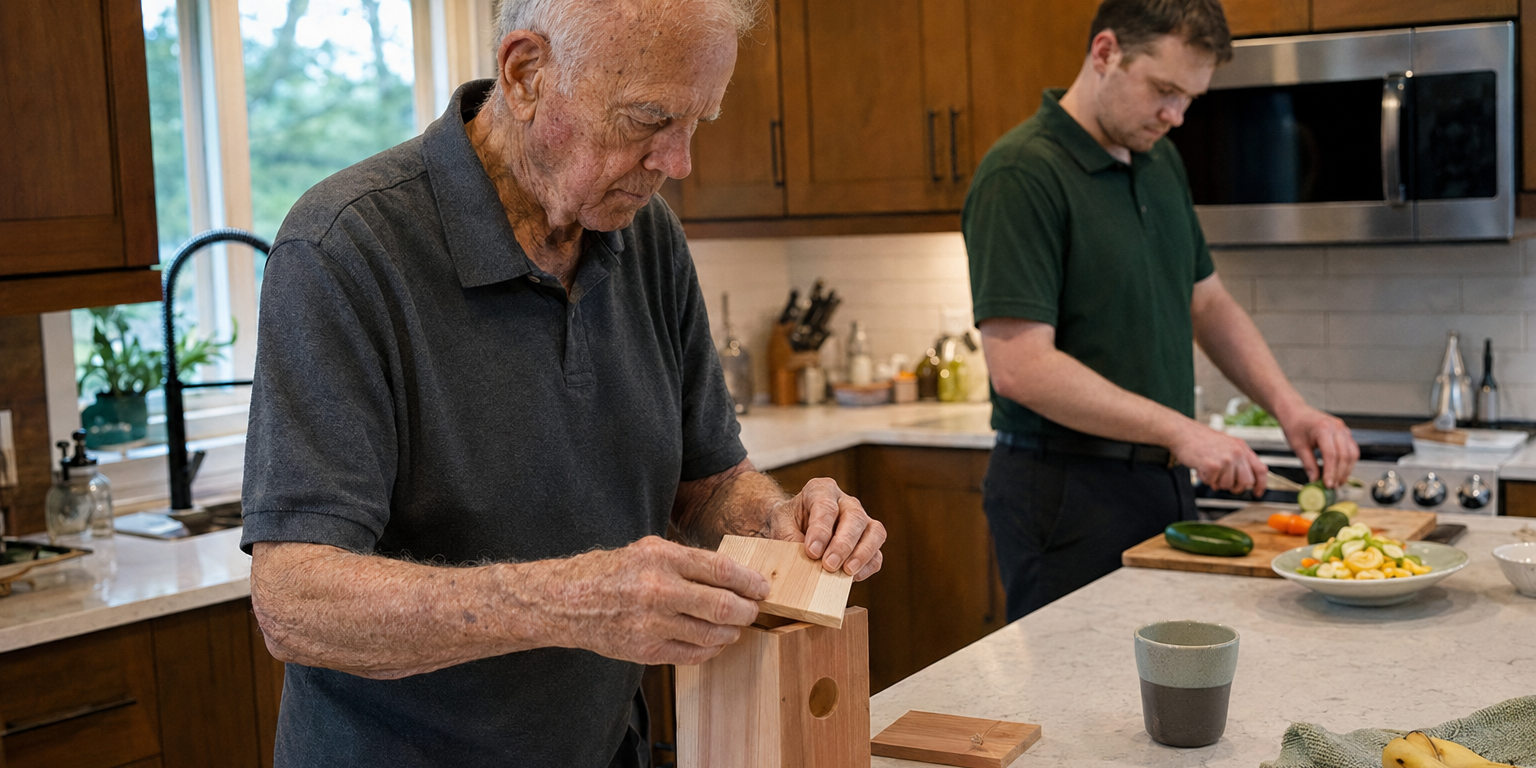
Older man works on a birdhouse at home while a caregiver prepares a meal in the kitchen.
Benefits of Paying for Home Care Privately
Choosing private pay is not only about how care is funded. For many families, it is about having the freedom to create care around their loved one’s life.
1. Flexible Care That Adjusts as Needs Change
One of the biggest advantages of private pay is flexibility.
Families can often begin with the level of support their loved one needs today and adjust as circumstances change.
For example:
- A few hours each week for companionship
- Morning assistance with getting ready
- Help preparing meals and maintaining routines
- Additional support after a hospitalization or health change
This allows families to avoid waiting until a situation becomes urgent before putting support in place.
2. Care Built Around Your Loved One
Every senior has different needs, preferences, and routines.
Some people need help staying organized throughout the day. Others may need assistance with personal care or simply want someone trustworthy nearby for conversation and connection.
Private pay allows families to choose services based on what will genuinely improve their loved one’s quality of life.
3. More Choice in Your Care Provider
When families pay privately, they typically have more freedom to choose the home care provider they feel best fits their expectations.
That choice matters.
The right caregiver relationship is built on trust, communication, and understanding. Families should look beyond availability and consider questions like:
- Does this agency understand my loved one’s personality and preferences?
- How does the agency select and train caregivers?
- Will the care plan adapt as needs change?
- Does the company communicate clearly with families?
At Evelyn Wells, our approach is centered around creating personalized care plans and matching families with compassionate support that fits their needs.
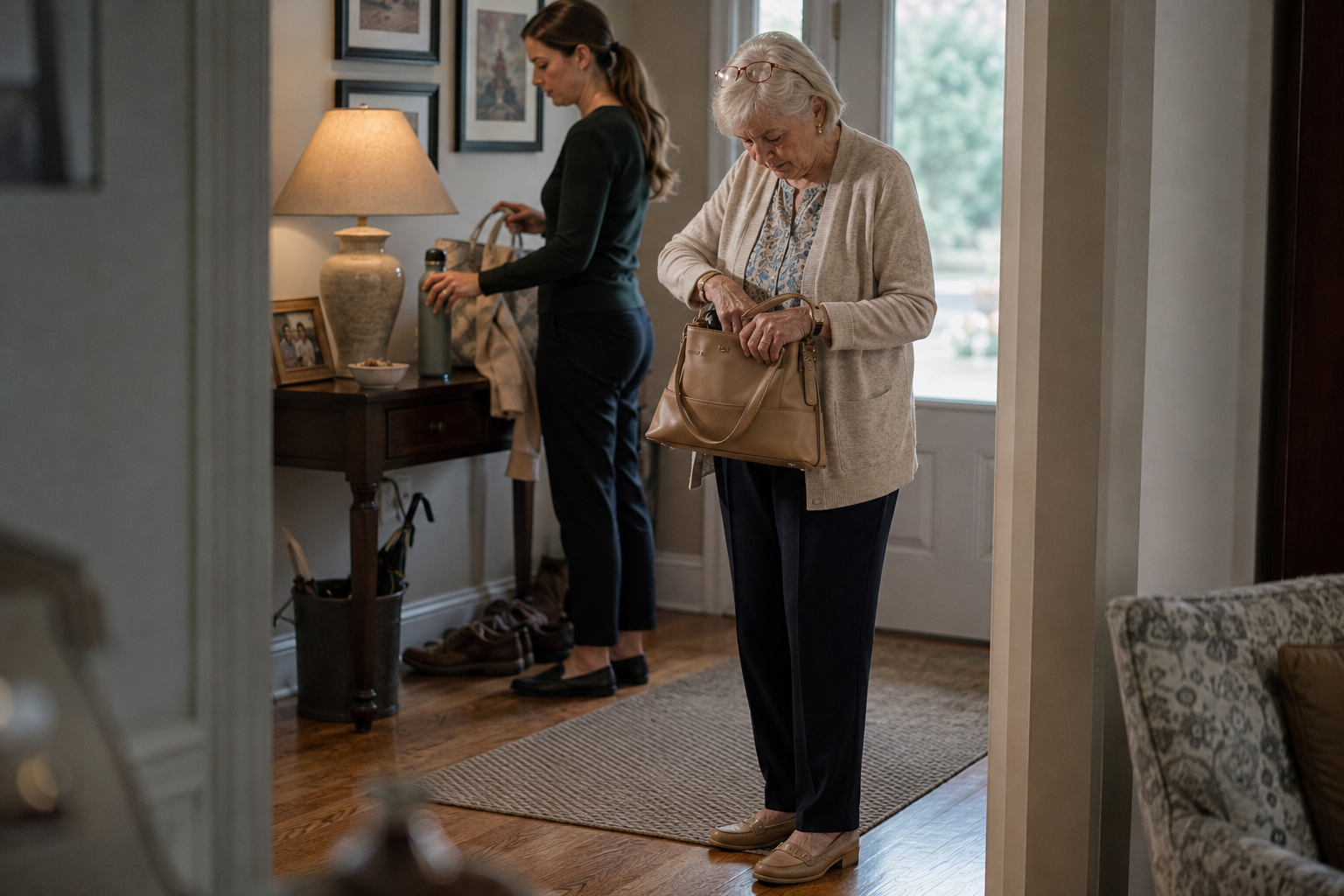
Older woman prepares for an outing at home while a caregiver helps organize items she needs.
How Much Does Private Pay Home Care Cost?
One of the biggest questions families have when exploring private pay home care is:
“How much should we expect to budget for care?”
The answer depends on several factors, including where you live, how many hours of care are needed, the type of support your loved one requires, and the home care provider you choose.
According to the CareScout Cost of Care Survey, the national median cost for non-medical home care is approximately $35 per hour. In Indiana, families can generally expect home care costs to fall within a similar range, often around the low-to-mid $30s per hour, depending on the provider, location, and level of care needed.
These numbers are meant to provide a general planning estimate, not a guaranteed quote. Every family’s situation is different, and the actual cost of care will depend on the personalized schedule and services your loved one needs.
For example, a senior who needs a few hours of companionship each week will have a very different care plan than someone who needs daily assistance with personal care, mobility, or multiple visits throughout the day.
What affects the cost of private pay home care?
Several factors can influence the overall cost, including:
- Number of care hours: More hours of support will naturally increase the overall monthly cost.
- Level of assistance needed: Personal care and mobility support may require more specialized caregiver support than occasional companionship.
- Schedule and timing: Weekend, overnight, or extended care needs may affect pricing.
- Services included: Some families need help with one or two specific tasks, while others need broader support throughout the day.
At Evelyn Wells, we believe the right care plan is not about adding the most hours possible, it’s about finding the right amount of support to help your loved one live safely, comfortably, and independently at home. Our personalized home care approach focuses on understanding your family’s needs first, then building care around what matters most.
Planning for the cost of care

Older woman and her daughter use a weekly calendar to plan how much home care support may be needed.
Many families begin by asking, “Can we afford home care?” A more helpful question is often:
“What type of support would make the biggest difference for our family right now?”
For some families, that may mean starting with a few hours each week to provide companionship and give family caregivers time to rest. For others, it may mean creating a more consistent care schedule.
Starting the conversation early gives your family more options and more time to make a thoughtful decision.
Private Pay vs. Medicare, Medicaid, and Insurance
One of the most common questions families ask when exploring home care is:
“Will Medicare or insurance pay for this?”
The answer depends on the type of care your loved one needs.
It is important to understand that home care and home health care are not the same thing.
Home health care generally refers to medical services provided in the home, such as skilled nursing or therapy, when someone meets specific Medicare requirements. Medicare may cover certain home health services, but it does not generally pay for ongoing custodial care when the primary need is help with everyday activities like bathing, dressing, meals, or companionship.
Private pay is often used for the type of non-medical home care that helps seniors maintain independence and continue living safely at home.
This may include:
- Assistance with daily routines
- Personal care
- Companionship
- Meal preparation
- Mobility support
- Transportation
- Respite support for family caregivers
Does Medicaid pay for home care?
For some families, Medicaid may help cover certain home- and community-based services if their loved one meets eligibility requirements.
However, Medicaid programs have specific financial and care requirements, and coverage varies by state and program. In Indiana, eligible individuals may qualify for certain home- and community-based services through programs such as Indiana PathWays for Aging.
If your loved one may qualify for Medicaid assistance, it is worth exploring those options before creating a long-term care plan.
What if insurance does not cover the care my loved one needs?
This is where many families begin considering private pay.
Paying privately allows families to arrange care based on their loved one’s actual needs rather than waiting for a specific benefit or approval process.
For example, a family may decide that their loved one would benefit from:
- A caregiver a few mornings each week
- Help with personal routines
- Someone to provide companionship and social connection
- Support that allows a family caregiver to continue working or manage other responsibilities
The right care plan is not always about finding the program that pays for the most services. Sometimes it is about finding the support that makes the biggest difference in your loved one’s daily life.
At Evelyn Wells, we help families understand their options and create care plans centered around dignity, independence, and quality of life. Our senior home care services are designed to provide meaningful support while helping families feel confident that their loved one is receiving compassionate care at home.
How to Start Paying for Home Care with Private Pay
Once your family decides that private pay home care may be the right option, the next question is usually:
“Where do we start?”
The process does not have to happen all at once. A good care plan begins with understanding your loved one’s needs, your family’s goals, and what level of support would make daily life easier.
Here are a few steps that can help you get started.
1. Understand What Kind of Support Your Loved One Needs
Before discussing cost, start by looking at your loved one’s daily life.
Ask yourself:
- What tasks have become more difficult?
- Are there safety concerns at home?
- Is a family caregiver feeling overwhelmed?
- Would regular support help your loved one remain independent?
Sometimes the answer is not full-time care. It may simply be a few hours of support each week to provide companionship, help with routines, or give family members time to rest.
2. Find a Home Care Provider That Fits Your Family
Choosing a home care provider is about more than availability. The right agency should take time to understand your loved one as a person, their routines, preferences, personality, and needs.
Before choosing a provider, consider asking:
- How are caregivers selected and trained?
- How does the agency create a care plan?
- How does communication with family members work?
- Can care adjust as needs change?
- What services are included?
To learn more about this, read our guide on how to find great quality home care providers and what to look out for.
At Evelyn Wells, we begin with a conversation to understand your family’s situation before recommending a care approach. Our goal is not simply to provide a caregiver, it is to create a support system that helps seniors continue living with comfort, dignity, and independence at home.
3. Review the Cost and Create a Sustainable Plan
Once you understand the type of care your loved one needs, review the expected cost and determine what works for your family financially.
Some families choose to:
- Start with fewer hours and increase care over time
- Combine private funds with long-term care insurance benefits
- Share financial responsibility among family members
- Adjust care based on changing needs
The most important thing is creating a plan that your family can maintain; not just one that works for the first few weeks.
4. Have an Honest Conversation With Your Family
Paying for home care is not only a financial decision. It is also a family decision.
Many families wait until a crisis happens before discussing care options. Starting the conversation earlier gives everyone more time to make thoughtful decisions and ensures your loved one’s wishes remain part of the process.
Is Private Pay Home Care Right for Your Family?
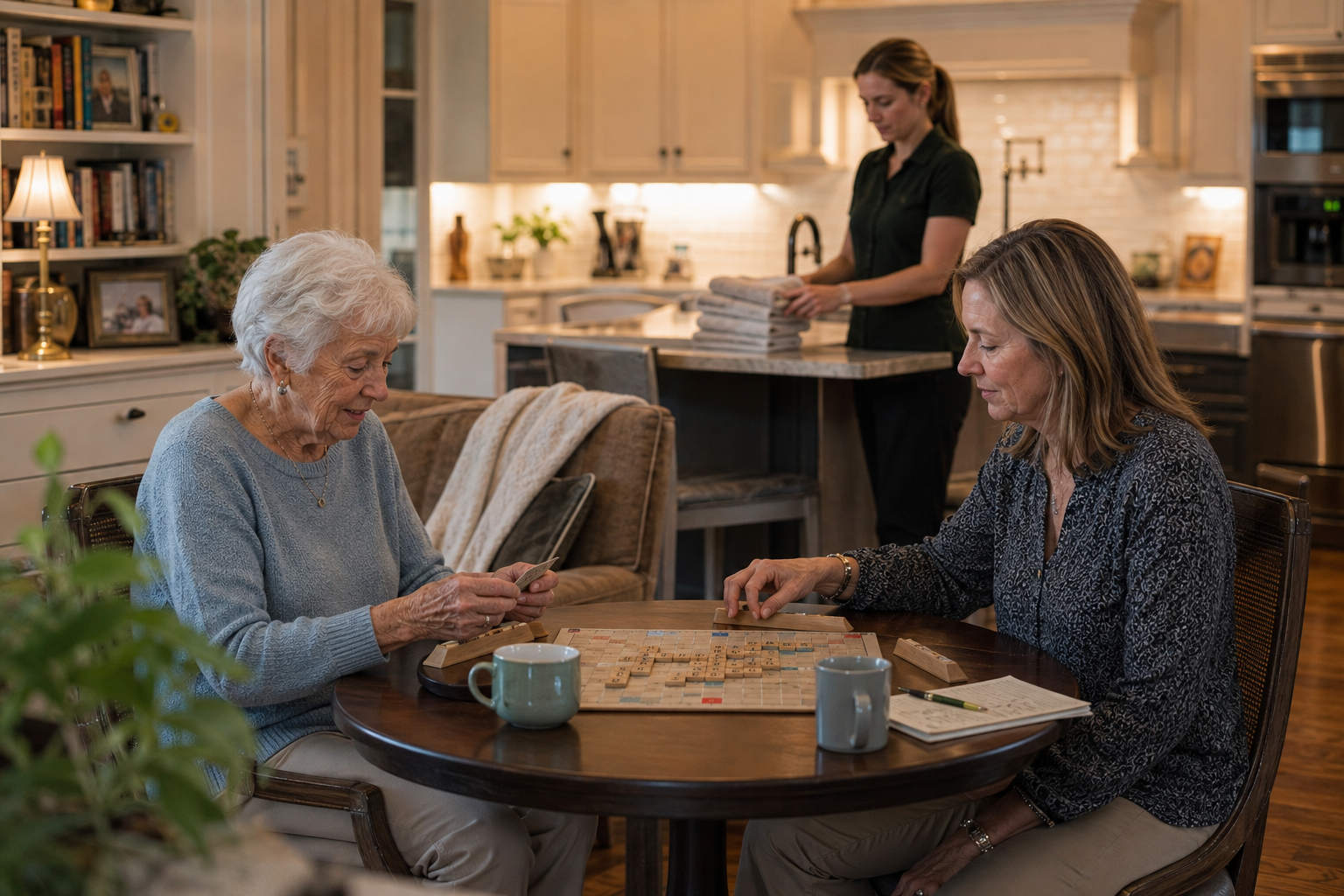
Older woman plays a word game with her daughter while a home caregiver folds towels nearby.
Private pay home care may be the right choice if your family values flexibility, personalized support, and the ability to choose care based on your loved one’s specific needs.
For many families, the decision is not about whether they want help, it is about finding the right kind of help at the right time.
A few hours of support can mean:
- More independence for your loved one
- More peace of mind for family members
- More time to focus on being a daughter, son, or spouse instead of only a caregiver
At Evelyn Wells, we understand that deciding when to bring care into the home is a deeply personal choice. Our role is to help families understand their options, answer their questions, and create a care plan that feels right for their situation.
If you are exploring private pay home care in Indianapolis, you can schedule a free consultation with Evelyn Wells or call +1 (317) 661-4416 to talk through your family’s needs and learn what care could look like.
Non Medical Disclaimer
The information provided in this article is for educational purposes only and is not intended as a substitute for professional medical advice, diagnosis, or treatment. Always seek the advice of your physician or other qualified health provider with any questions you may have regarding a medical condition. Never disregard professional medical advice or delay in seeking it because of something you have read in this article.
Related Posts

How to Find Home Care for an Aging Parent: A Quick Guide
Learn how to find home care for an aging parent, from understanding their needs and searching online and local resources to creating a shortlist and evaluating potential providers.
Affordable Home Care Services for Seniors in Indianapolis: A Resource Guide for 24/7 Care Needs
For most families, the question isn't whether their loved one needs help at home. It's whether they can afford it. That worry is common, and it's valid; home care is a real investment, especially…
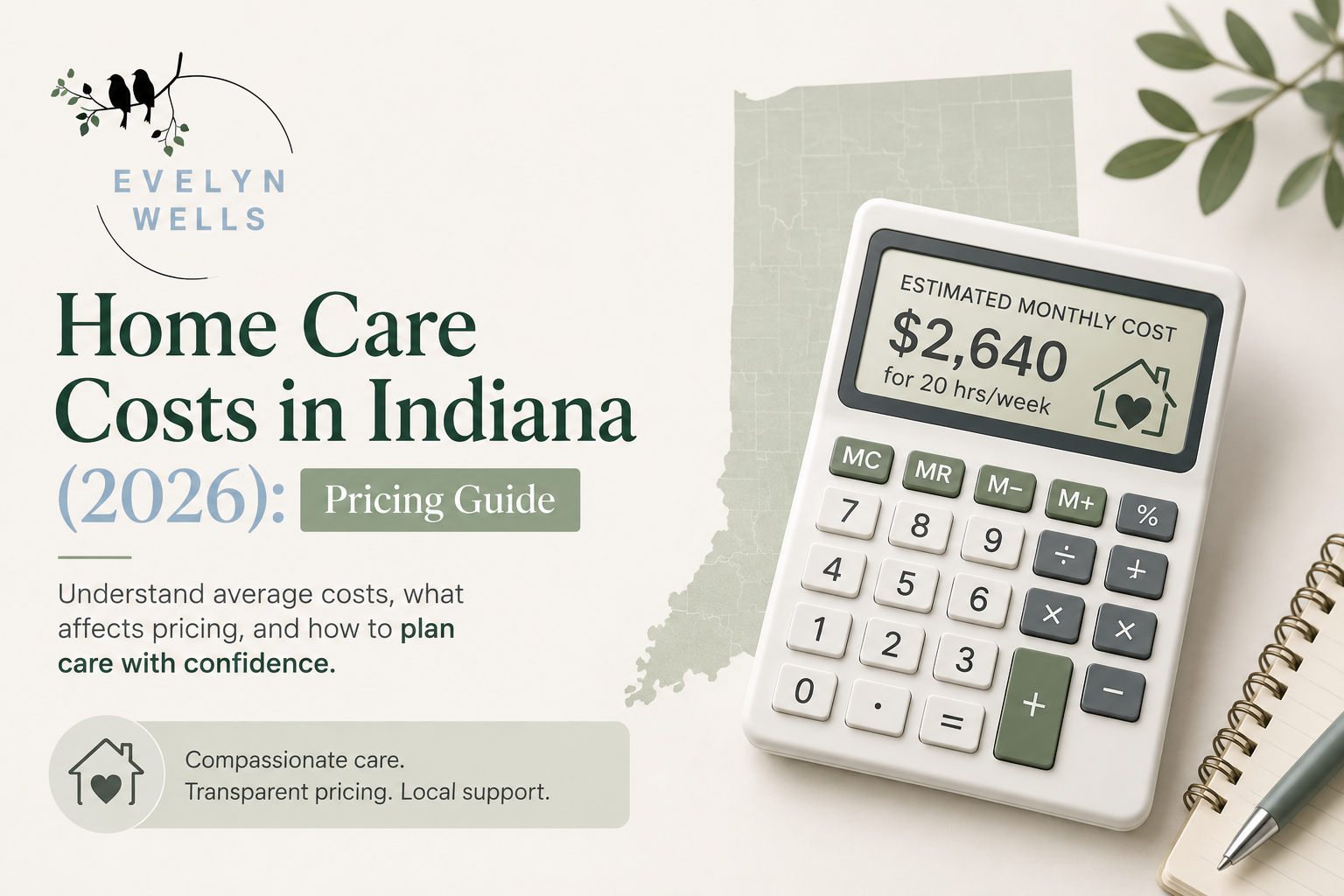
Home Care Costs in Indiana (2026): Pricing Guide
The decision to bring care into the home often comes with many questions; and cost is usually one of the biggest. Families want to understand what they are committing to, what level of care their…