
1. Signs Your Aging Parent May Need Help at Home
2. How to Tell Which Daily Activities Your Aging Parent Needs Help With
3. How Often Does My Aging Parent Need Help at Home?
4. Is It Still Safe for My Aging Parent to Live Alone?
5. My Parent Refuses a Caregiver: 7 Ways to Introduce Help Without Taking Away Independence
6. How to Talk to an Aging Parent About Getting Help at Home
7. What Kind of Help Does My Aging Parent Need at Home?
8. When Is Family Caregiving No Longer Enough? How to Know When to Add Professional Home Care
Quick Answer
If your parent refuses a caregiver, avoid turning the conversation into a battle over whether they “need care.” Ask what they are worried about, focus on one task that has become frustrating, offer choices, and introduce support gradually. The aim is to help them keep control over daily life, not take it away.
“I Don't Need a Caregiver.”
For many families, those words stop the conversation before it really begins. You may see missed meals, difficulty bathing, increasing dependence on relatives, or growing safety concerns. Your parent may see a stranger entering the home, loss of privacy, or a sign that the family no longer trusts them. Both perspectives matter. Resistance often makes more sense once you understand what the word “caregiver” represents to your parent.

Expert tips
Instead of asking your parent to accept “a caregiver,” start with one problem they already agree exists. Transportation, groceries, housekeeping, or meal preparation may feel far less threatening than a broad conversation about “needing care.” A successful first step can make later support easier to discuss.
1. Find Out What They Are Actually Refusing
1. Find Out What They Are Actually Refusing
Ask what worries them. Is it:
- having a stranger in the home;
- cost;
- privacy;
- fear of losing control;
- embarrassment;
- a previous bad experience;
- concern that accepting help means they will eventually be forced to move?
Do not argue with the answer immediately. Understanding the real objection gives you something specific to address.
2. Start With the Problem, Not the Label
2. Start With the Problem, Not the Label
Instead of saying: “You need a caregiver.” Try: “You’ve mentioned that carrying groceries has become exhausting. Would you be open to getting help with that part?”
A parent may reject the identity of someone who “needs care” while happily accepting help with a specific inconvenience.
3. Connect Help to Independence
3. Connect Help to Independence
The strongest reason for support may be that it allows your parent to keep doing more of what they value.
Help with transportation can preserve community activities.
Meal preparation can make staying at home easier.
Light housekeeping can conserve energy.
Personal care assistance can support a familiar routine.
Frame support as a tool for continuing life on their terms.
4. Give Them Choices
4. Give Them Choices
Whenever possible, let your parent participate in decisions such as:
- which task gets help first;
- what days support happens;
- who is involved;
- what routines should remain unchanged;
- what kind of personality they would feel comfortable with.
Choice reduces the feeling that something is being imposed.

FACT CHECK
Help at Home Does Not Have to Be All or Nothing
Older adults can receive help with specific parts of daily life while continuing to manage other activities independently. Aging-in-place support may come from family members, friends, community services, or paid caregivers, and it can be adjusted as needs change.
5. Start Small
5. Start Small
You do not need to begin with every possible service. A parent who resists personal care may be comfortable starting with:
- transportation;
- light housekeeping;
- meal preparation;
- companionship;
- errands.
A successful first experience can make future conversations easier.

6. Do Not Turn Every Visit Into a Debate
6. Do Not Turn Every Visit Into a Debate
If every family conversation becomes about care, your parent may begin avoiding the subject entirely. Choose the right time. Keep the conversation specific. Listen. Then allow space. Many families need several conversations before everyone is comfortable with a new arrangement.
7. Bring in a Trusted Voice When Appropriate
7. Bring in a Trusted Voice When Appropriate
Sometimes a parent hears the same concern differently from:
- a physician;
- another healthcare professional;
- a trusted relative;
- a faith leader;
- a longtime friend.
This should not become an ambush. The goal is to create a calmer, more credible conversation when family dynamics are getting in the way.
What If the Answer Is Still No?
What If the Answer Is Still No?
If your parent has decision-making capacity, families may have to tolerate choices they do not fully agree with. Continue documenting specific concerns rather than arguing in general terms. If there are serious safety issues, sudden cognitive changes, suspected abuse, or another urgent concern, involve the appropriate healthcare, legal, social-service, or emergency professionals.
Keep the Goal Clear
Keep the Goal Clear
The goal is not to win an argument about caregiving. It is to make everyday life safer and more manageable while preserving dignity and control wherever possible. The next step is learning how to have the broader conversation well.
Next guide: How to Talk to an Aging Parent About Getting Help at Home
Frequently Asked Questions About Signs Your Aging Parent May Need Help at Home

Common reasons include privacy, fear of losing independence, cost, unfamiliarity, pride, and concern that one change will lead to more unwanted changes.
Avoid coercion except where legal or emergency circumstances require professional intervention. Start with conversation, specific needs, and choices.
For some families, yes. A lower-friction service may be an easier introduction than beginning with hands-on personal care.
Non Medical Disclaimer
The information provided in this article is for educational purposes only and is not intended as a substitute for professional medical advice, diagnosis, or treatment. Always seek the advice of your physician or another qualified healthcare provider with questions regarding a medical condition or significant changes in your loved one’s physical health, memory, behavior, or daily functioning. Never disregard professional medical advice or delay seeking it because of something you have read in this article.
Related Posts

How Much Help Does My Aging Parent Need? A Practical Guide to Assessing Care at Home
Not sure how much help your aging parent may need? This practical guide helps families recognize changes, assess everyday support needs, consider safety and family capacity, and understand when…
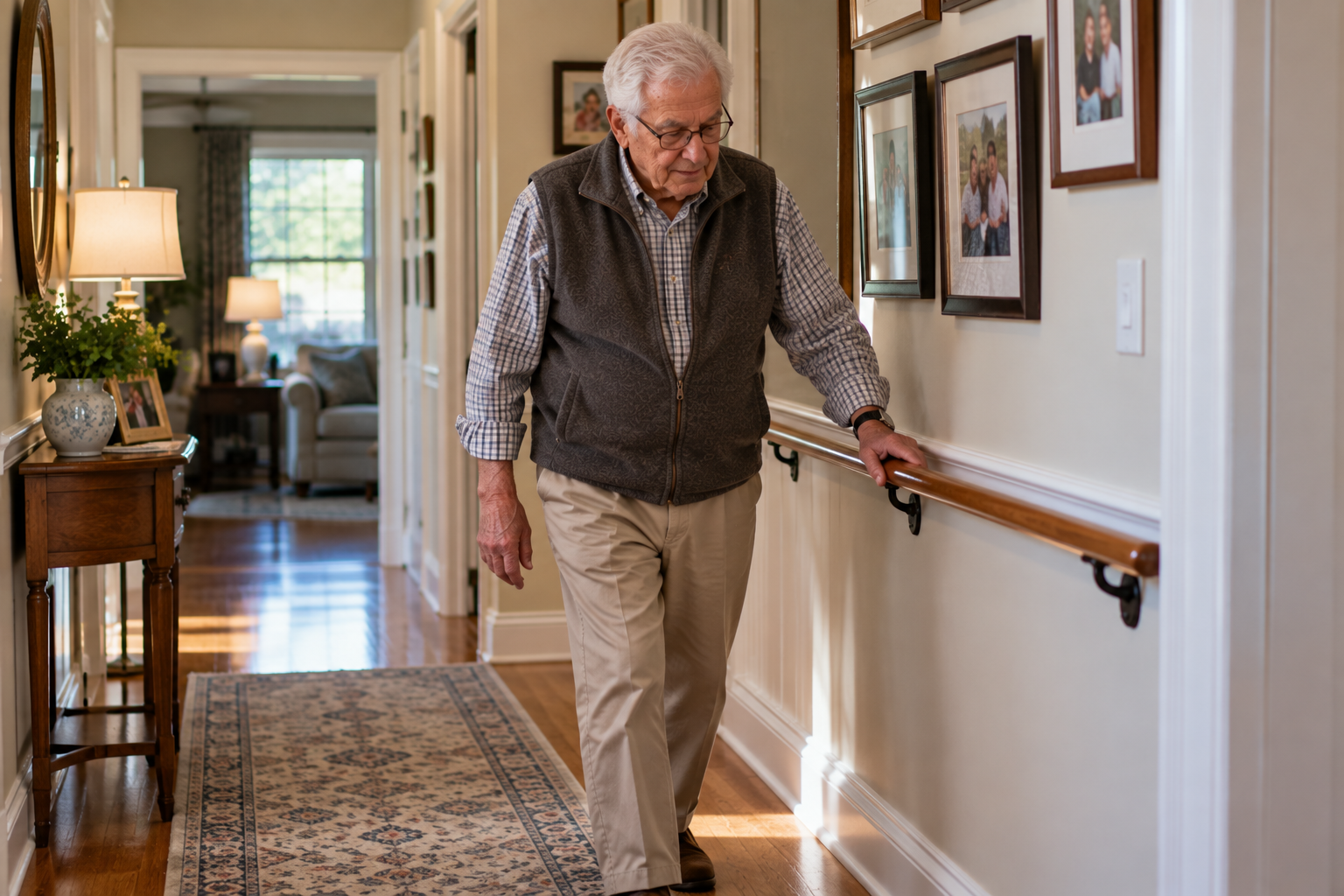
Is It Still Safe for My Aging Parent to Live Alone?
Living alone should be evaluated by how safely and consistently an older adult manages everyday life, not by age alone.

What Kind of Help Can an Older Adult Receive at Home?
A practical guide to matching the difficulties your aging parent is experiencing with the type of help that may make daily life safer, easier, and more sustainable.